
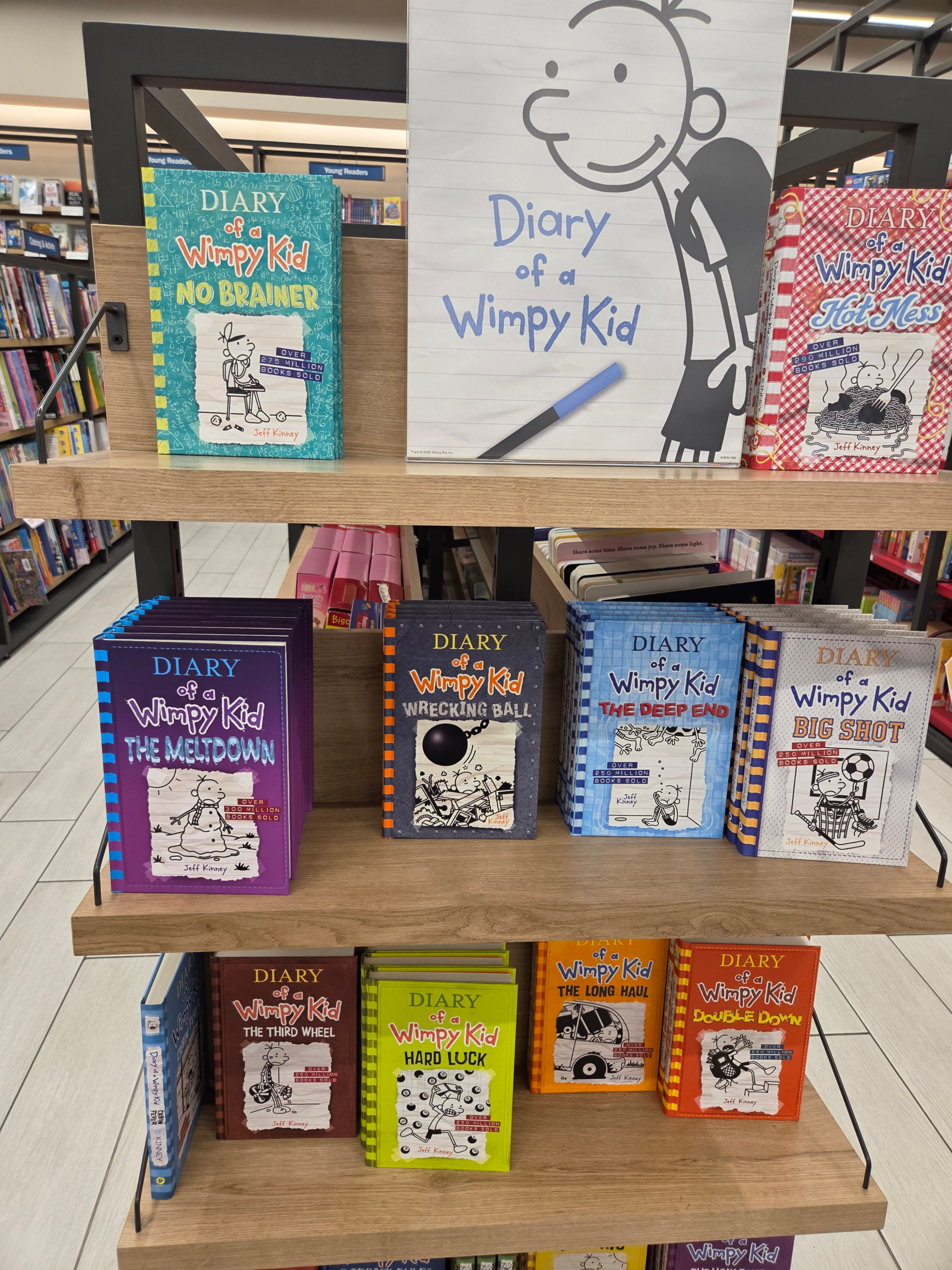
Many parents wonder about the best ways to encourage their early readers. If you are looking for effective methods, there are 5 reasons why ‘Diary of a Wimpy Kid‘ is the best reading tool for 1st graders to build confidence and fluency. Especially for students in New Jersey elementary schools, transitioning from picture books to chapter books can be challenging, but this series makes the process seamless and fun.
As a parent, you might wonder if this “comic-style” book is actually educational. Is it too early for a 6 or 7-year-old? Is it better than traditional leveled readers? After analyzing the series through the lens of early childhood education, here are 5 reasons why Greg Heffley’s adventures are actually the ultimate reading tool for your 1st grader.

1. A Perfect Bridge for the “Alphabet Level” Transition
In the U.S. school system, we often track progress using the Guided Reading Levels (A-Z). By the middle of 1st grade, many students are looking to move beyond Level J or K (simple sentences) toward more complex narratives.
- Visual Context Clues: While the text in Wimpy Kid is technically around a Level T/U (middle school level), the heavy use of illustrations acts as a “scaffolding.”
- Confidence Builder: When a 1st grader finishes a 200-page book, even if it has pictures, their confidence skyrockets. It proves they can handle “thick books,” which is the first step toward becoming a lifelong reader.
2. Mastery of “High-Frequency” Idioms and Real-Life Slang
Textbooks teach “The cat is on the mat.” Wimpy Kid teaches “The Cheese Touch.”
For children in Korean-American households like ours, or those who recently moved to the States, understanding social nuances is key. This series is a goldmine for natural American English idioms and conversational phrases that kids actually hear on the playground. It helped my 1st grader at home bridge the gap between “academic English” and “social English.”

3. Developing “Reading Stamina” through Humor
One of the biggest hurdles for 1st graders is Reading Stamina—the ability to focus on a text for an extended period. Because Jeff Kinney’s writing is genuinely funny (even for adults!), kids don’t feel like they are doing “work.” They aren’t just decoding words; they are chasing a punchline. This internal motivation keeps them reading for 20-30 minutes straight, a crucial skill for 2nd grade and beyond.
I’ve watched my child spend hours glued to the Diary of a Wimpy Kid series. It’s amazing to see how much it helped improve her focus and reading stamina. For an NJ 1st grader, finding a book that makes reading this much fun is a huge win!

4. Understanding Social Dynamics and Empathy
First grade is a year of massive social growth. The “Wimpy Kid” series explores complex themes like:
- Peer pressure and fitting in.
- The ups and downs of best friendships (Greg and Rowley).
- Navigating family dynamics with siblings.
Reading about Greg’s mishaps allows children to reflect on their own school day. It provides a safe space to discuss what makes a “good friend” and how to handle embarrassing moments—a perfect conversation starter for parents during dinner.
5. Low Barrier to Entry for Reluctant Readers
Not every child loves sitting down with a dense novel. If your child is a “reluctant reader,” Wimpy Kid is the perfect “gateway drug” to literacy. The handwriting-style font and lined paper background make the book feel like a personal journal rather than a daunting textbook. It invites the reader in, rather than pushing them away with walls of text.
NJ Mom’s Practical Advice: How to Support Your 1st Grader
If your child is just starting their Wimpy Kid journey, here are a few tips to maximize the learning:
- Read-Aloud Together: Take turns reading pages. You do the dialogue for Greg, and let them read Rowley’s parts.
- Vocabulary Check: If they hit a word like “moron” or “apportioned,” use the picture next to it to help them guess the meaning.
- Library Resources: Check out the Libby app or visit the local library. These books are often available in “Easy Reader” graphic novel sections, which are perfect for 1st-grade eyes.

Conclusion
While it may look like a simple comic, Diary of a Wimpy Kid is a sophisticated tool that builds vocabulary, social-emotional intelligence, and most importantly, a love for reading. I’ve seen this firsthand with my 1st grader—she’ll laugh out loud at Greg’s relatable struggles and then ask me what words like ‘sarcastic’ or ‘cringey’ mean. It’s amazing to see her connect these stories to her own life at school. So, if your child is obsessed, celebrate it! They aren’t just reading a diary; they are leveling up their literacy and building the stamina they need for the years ahead.
[More Learning Tips?]