
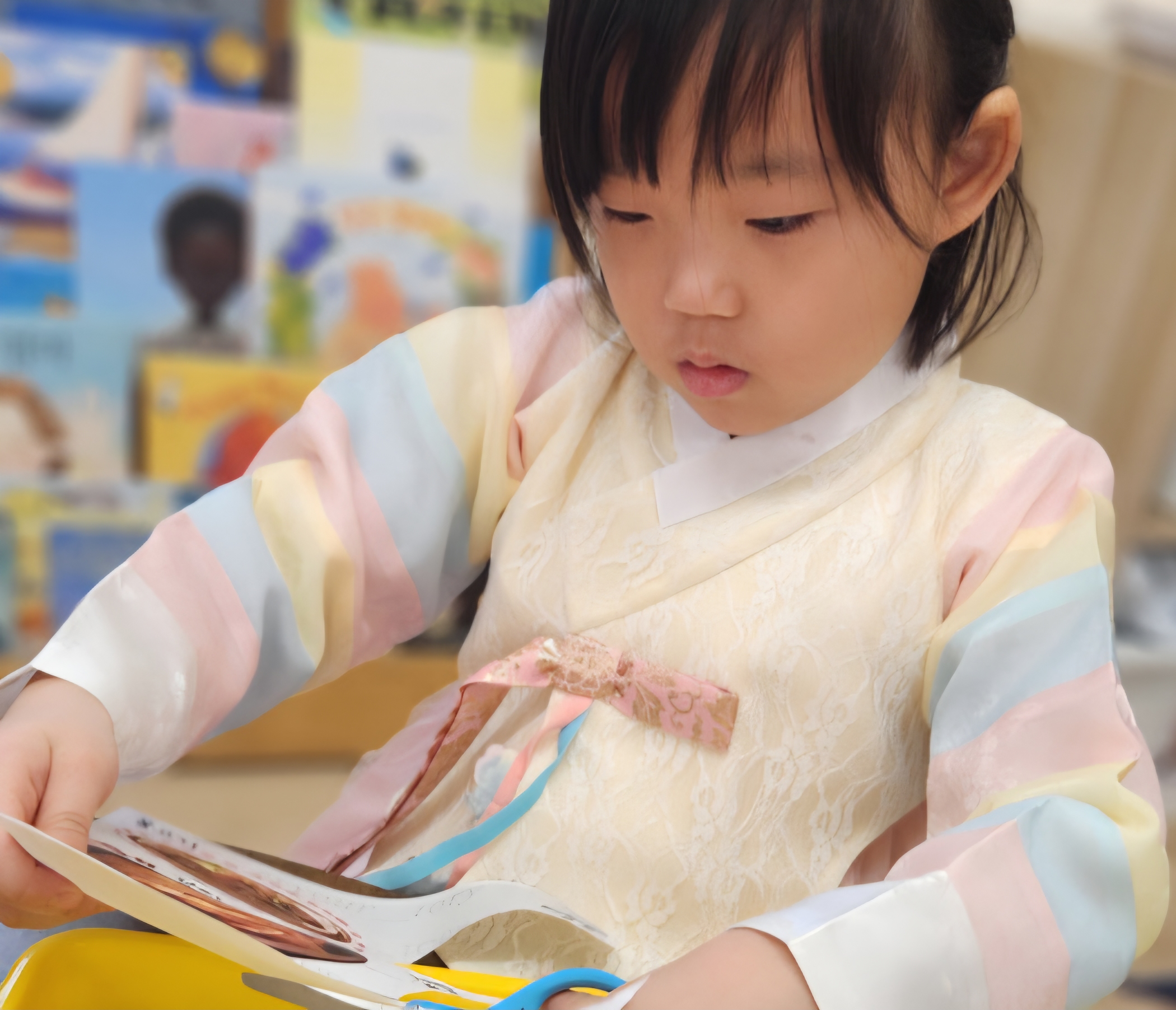
Moving to New Jersey was a whirlwind of big changes for our family. Among all the decisions I had to make, finding the right Pre-K for my youngest was at the top of my list. With New Jersey’s excellent public schools and diverse private options, I found myself at a crossroads.
Ultimately, as a mom with one child in a US public 1st grade and another in Pre-K, I chose a Korean preschool. It wasn’t just about the language; it was about finding a “soft landing” for my child in a brand-new country. Here is my honest experience and the five reasons why this was the best decision for our family’s transition.
Contents hide1. Bilingual Support: A “Soft Landing” in America
Starting school can be scary, especially if English isn’t the child’s first language. One of the top reasons I chose a Korean preschool was the bilingual environment. Having teachers who speak both Korean and English provided my child with emotional security and a “soft landing” into the American education system.
I noticed my child started using simple English phrases like ‘Can I have some water?’ within just a few weeks, while still being able to explain their feelings in Korean to the teacher.
2. Balanced Nutrition: Korean Lunch and Snacks
Let’s be honest, packing a lunch box every day is a struggle for busy moms! Most Korean Pre-Ks in NJ offer nutritious, hot Korean meals. Knowing my child is eating healthy rice, soup, and veggies every day gives me incredible peace of mind (and saves me so much time!).
A typical menu includes Bulgogi, seaweed soup, and various vegetables. It’s much healthier than the nuggets and fries often served in some other places.
3. Strong Cultural Identity and Heritage
Living in the U.S., I want my children to be proud of their Korean roots. These schools celebrate traditional holidays like Seollal and Chuseok. My child learns Korean manners and customs naturally, which is something a standard local preschool might not offer.

4. Academic Readiness and Discipline
Korean preschools are known for their structured curriculum. From early math to phonics and even Hangul (Korean alphabet), the transition to 1st grade felt much smoother because of the solid foundation laid in Pre-K. The focus on discipline and social manners is also a huge plus.
One of the things I appreciate most is how the teachers specifically prepare the children for transition to public school Kindergarten. Since the environment in public school is much more independent, this “practice” is vital. For example, my child wasn’t very familiar with her English name at first. The teachers patiently helped her practice writing it every day until it became second nature.
5. A Supportive Community for Parents
By sending my child to a Korean-American Pre-K, I also gained a community. I’ve met so many local NJ moms who share similar values and parenting goals. It’s a great place to exchange information about local doctors, after-school activities, and elementary school tips.
Conclusion
A Mother’s Heart: The First Day Jitters
I still remember the first day I dropped my child off at the preschool. As a mom, your heart feels heavy and anxious — will they cry? Will they understand the teacher? But as I walked away, seeing the warm smiles of the bilingual teachers and hearing the familiar Korean greetings, a wave of relief washed over me. I realized that this place wasn’t just a school; it was a bridge to their new life in America. That personal peace of mind was my very first “pro” on this journey.
Every child is different, but for us, a Korean-American Pre-K in New Jersey was the perfect bridge. It offered the right balance of cultural heritage and academic preparation. If you’re on the fence, I highly recommend visiting a few local schools to see the environment for yourself!
Frequently Asked Questions (FAQ)
Q. When should I start looking for a Korean Pre-K in NJ?
A. Popular spots in Bergen County fill up fast. It’s best to start touring and put your name on a waiting list at least 6 to 8 months before the semester starts.
Q. Do they teach only in Korean?
A. No, most follow a bilingual model. They use English for core subjects to ensure children are ready for the English-speaking environment of public schools.
🔗More on School & Pre-K Tips?