
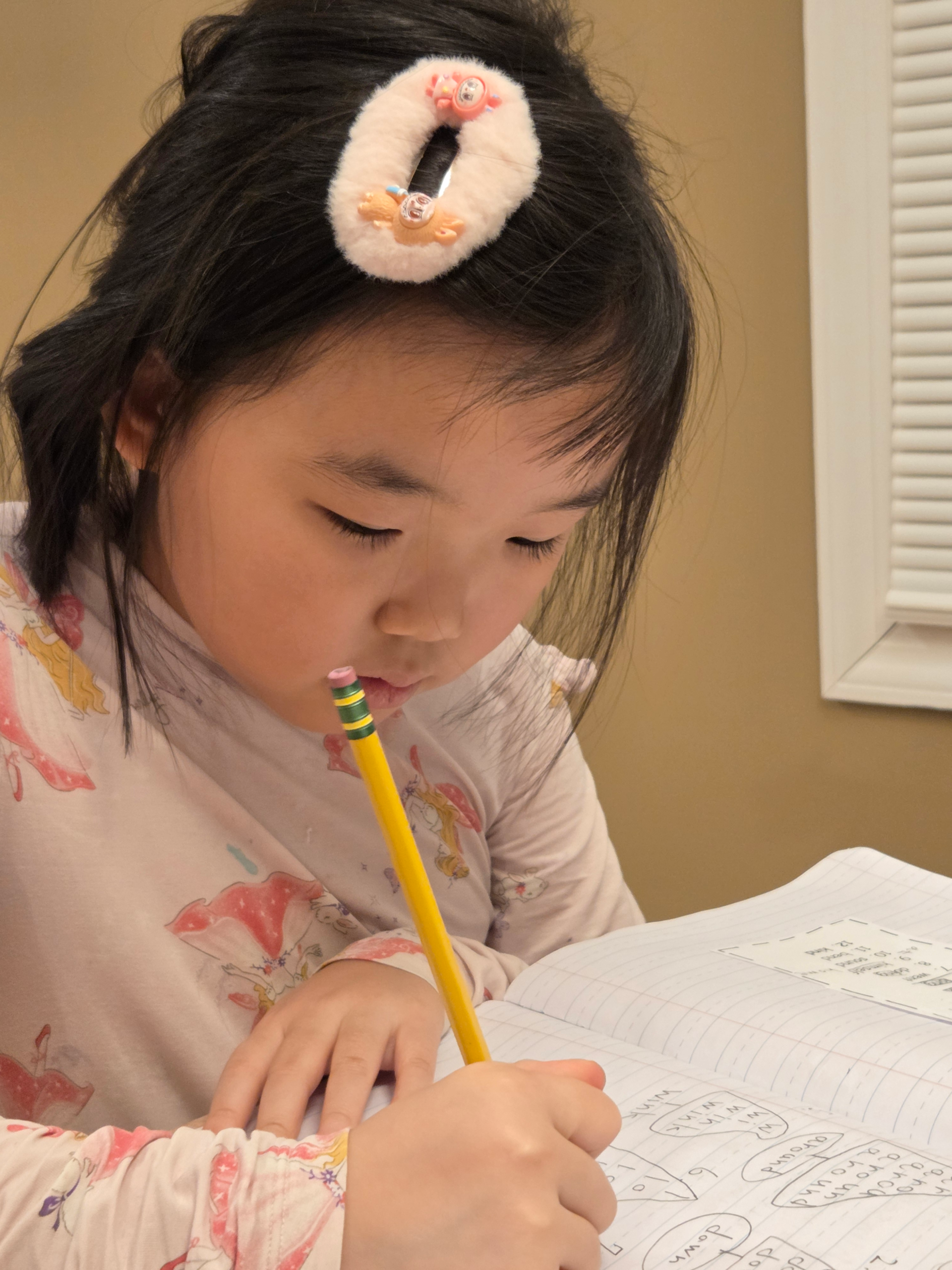
Moving to New Jersey offers incredible opportunities for immigrant families, but navigating the school system can often feel overwhelming. If your child speaks a language other than English, one of the first terms you’ll encounter during enrollment is ESL (English as a Second Language) or ML (Multilingual Learner).
I still remember the first thing I did when we began our big move to the States: I spent hours searching for information on New Jersey’s ESL environment and regulations. Like many Korean families I’ve met here, I was grateful for the systematic and generous ESL support in NJ public schools, yet I still worried about how my kids would eventually transition into the mainstream classroom.
As of 2026, New Jersey has implemented several key updates to its bilingual and ESL regulations (N.J.A.C. 6A:15) to better support students and empower parents. In this guide, I’ll walk you through everything our family has learned—from the very first day of registration to the moment your child successfully transitions out of the program.

1. The Starting Line: Enrollment and Identification
In New Jersey, every child has a right to a free public education, regardless of their immigration status. Schools are strictly prohibited from asking about your citizenship or legal status during enrollment.
The Home Language Survey (HLS)
The first step for every new student is the Home Language Survey.
- The Process: I was asked which language is spoken most often at home.
- Local Insight (Fort Lee): If you are moving to a district with a high immigrant population like Fort Lee, the process is often streamlined. For instance, the Fort Lee School District uses a dedicated online registration portal where the Home Language Survey is integrated directly into the enrollment flow. I was asked specifically about the “Primary Language Spoken at Home” right at the start.
- The Trigger: If you indicate a language other than English, the school is legally required to screen your child to see if they need English language support. I experienced this firsthand when we enrolled my daughter in the first grade. Shortly after joining, she was tested for her English language capacity to determine the best placement for her. While the word ‘test’ is intimidating, it was actually a very helpful process to ensure she received the right level of support from day one.
- 2026 Update: The NJ Department of Education now provides a standardized HLS in over 20 languages. Make sure you answer accurately; this is the gatekeeper to your child receiving the support they deserve.
The Screening Phase
If the survey indicates a second language, the district will perform a records review and, if necessary, an English proficiency test—usually the WIDA Screener.
- The Threshold: For 2026, students who score below a 4.5 on this test are identified as Multilingual Learners (MLs) and are eligible for ESL services.
- My Experience: After the assessment, the school determined that my daughter had sufficient English proficiency to keep up with her mainstream 1st-grade curriculum. As a result, she was not placed in the ESL program. It was a huge relief for us to know that she was ready to tackle her schoolwork alongside her peers from day one.
2. Understanding Your Rights as a Parent
The 2026 guidelines place a heavy emphasis on Parental Rights. You are not just a spectator; you are a partner in your child’s education.
Right to Notification
Schools must notify you in writing within 30 days of the start of the school year (or 14 days if you enroll mid-year) if your child is in an ESL or Bilingual program.
- Language Access: This notice must be in a language you understand.
- Content: The letter must explain their level of English and the type of program they will enter.
Right to Decline Services
While ESL services are there to help, you have the legal right to decline them.
- The Process: You must sign a waiver to opt out.
- Important Caveat: Even if you decline services, your child will still get the test annually with the state English exam (ACCESS for ELLs) until they meet the “exit” criteria.
3. Types of Programs: What to Expect
New Jersey districts offer various models based on their student population.
| Model | How it Works | When it’s Required |
| Bilingual Education | Instruction in both the native language and English. | Required when there are 20+ students of the same language group in a district. |
| ESL Only | Students attend regular classes but have at least one period of intensive English per day. | Common in districts with diverse but smaller language populations. |
| Dual Language | Students learn core subjects in two languages (e.g., 50% Spanish, 50% English). | Growing in popularity for 2026 as a way to achieve full biliteracy. |
| Sheltered Instruction | Teachers use specialized visual and linguistic strategies within the regular classroom. | Used in almost all districts to support MLs in subjects like Science and Math. |

In my daughter’s class, students who need extra support in Korean or Spanish often participate in a ‘pull-out’ program. During designated times, these students leave their mainstream classroom to work in smaller groups with a specialized ESL or bilingual teacher.
4. The Path to Exit: “Graduating” from ESL
The goal of NJ’s ESL programs is to help students reach “proficiency.” How do we know when they are ready?
The Annual ACCESS Test
Every year between February and April, all MLs take the WIDA ACCESS test. This is the primary tool NJ uses to measure progress in Listening, Speaking, Reading, and Writing.
2026 Exit Criteria
To exit the program, a student must typically meet two conditions:
- A Composite Score of 4.5 or Higher on the ACCESS test.
- Teacher Recommendation/Observation: The school reviews the student’s classroom performance to ensure they can handle a full English-only curriculum.
Once a student exits, they enter a two-year monitoring period. During this time, the school keeps a close eye on their grades to ensure they don’t fall behind without the extra support.
5. Beyond the Basics: High School & The Seal of Biliteracy
For families with older children, the 2026 requirements offer exciting pathways.
- Graduation Credits: ESL classes count toward the required English credits for high school graduation in New Jersey.
- The NJ State Seal of Biliteracy: This is an official recognition on a student’s diploma and transcript. In 2026, students who demonstrate high proficiency in both English and their native language can earn this seal. It is a massive advantage for college applications and future job resumes.
6. How Parents Can Help (Parent Advisory Committees)
Did you know that any NJ district running a bilingual program is mandatory by law to have a Bilingual Parent Advisory Committee (PAC)?
- Your Voice: These committees allow you to meet with school leaders, learn about the budget for ESL programs, and advocate for better resources (like more books in your native language).
- Meeting Requirements: Districts must hold regular meetings. If you haven’t been invited, ask your child’s teacher about the “ESL PAC.”
7. FAQs: Common Concerns for 2026
Q: Will being in ESL slow down my child’s graduation? A: No. In fact, ESL support often helps students maintain their GPA while they learn English, ensuring they stay on track for graduation.
Q: Can my child be in Gifted and Talented (G&T) programs while in ESL? A: Absolutely. NJ law states that English proficiency cannot be a student from G&T, Honors, or AP classes.
Q: What if I don’t speak English? How can I talk to the teacher? A: You have a civil right to an interpreter. Every NJ school district must provide translation and interpretation services for parent-teacher conferences and school events at no cost to you.
Final Thoughts: Your Language is an Asset
Looking back at our first few months in New Jersey, I realize that the most important thing to remember is this: being bilingual is a superpower. At first, I’ll admit I was anxious—wondering if my daughter’s Korean background would make her transition harder. But seeing the NJ school system in action, I’ve learned that their goal is to add English to your child’s skills, not to replace their heritage language.
Whether your child is placed in an ESL program or thrives in a mainstream classroom from day one, as my daughter did, know that their cultural roots are respected here. By understanding these requirements and staying involved, we can ensure our kids receive a world-class education while staying proud of who they are. To all the moms navigating this journey right now—you’re doing great, and your child’s bilingual identity is their greatest strength!
Need help now? * Visit the NJDOE Multilingual Learners Portal.
- Contact your local school’s “ESL Coordinator.”
[More Information on NJ Education?]