
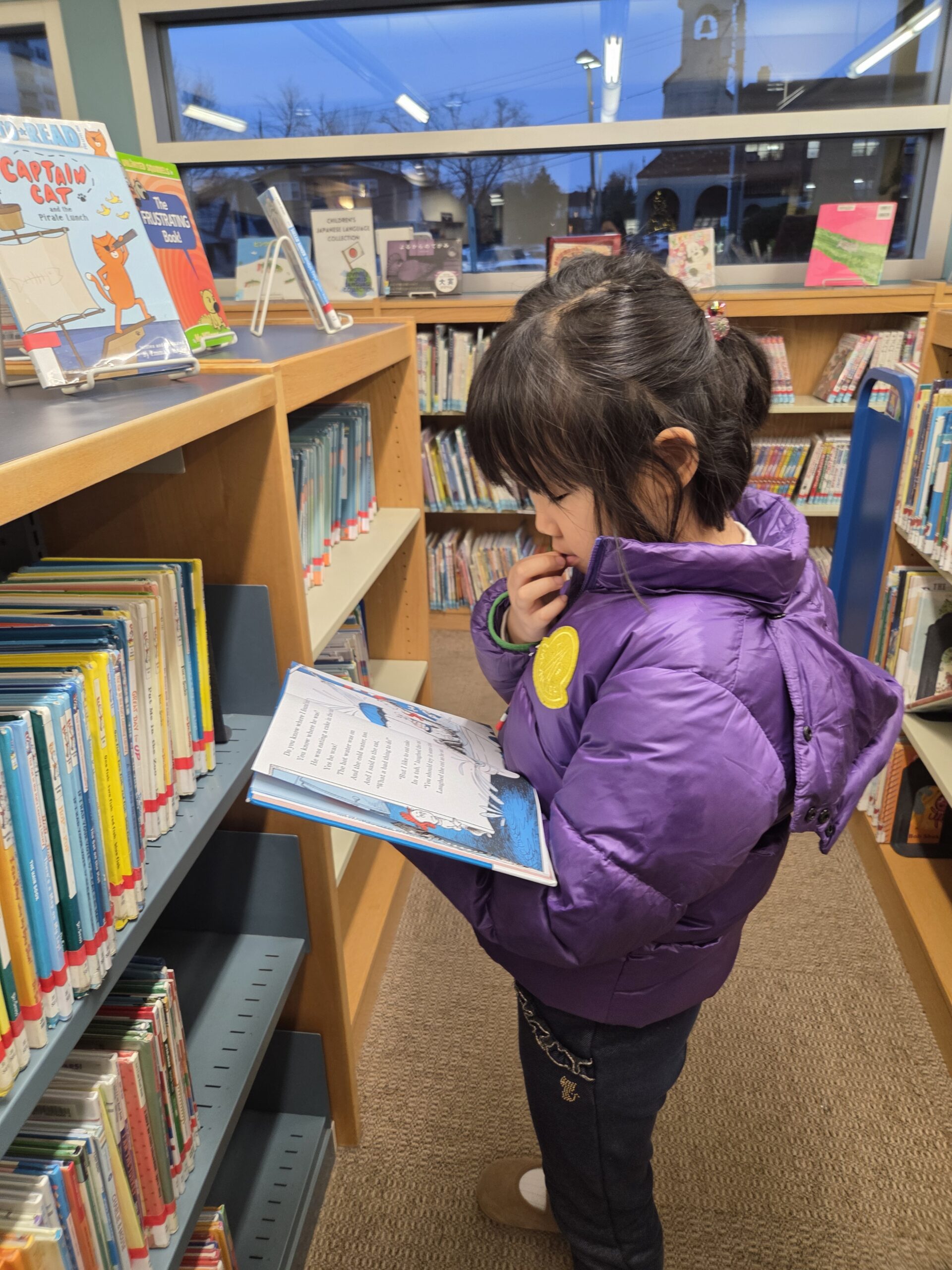
As a mom of a first grader in a New Jersey public school and a preschooler in Pre-K, I’ve spent a lot of time observing how my children are being taught to read. You might have heard the buzzword “Science of Reading“ during parent-teacher conferences or seen it in school newsletters lately.

If you’ve noticed your child struggling to “guess” words based on pictures or memorizing books instead of actually reading the words, this post is for you. Today, I’m diving deep into why the Science of Reading (SoR) is changing the landscape of early literacy and how you can support your child’s journey at home.
What Exactly is the “Science of Reading”?
The Science of Reading isn’t a specific curriculum; it’s a vast body of research from cognitive scientists and literacy experts. It explains how the human brain learns to read. Unlike speaking, which humans are hardwired for, reading is a skill that must be explicitly taught.
For years, many schools used “Balanced Literacy,” which encouraged children to use context clues or pictures to guess words. However, research now shows that the most effective way to create a skilled reader is through Structured Literacy, focusing on phonics and phonemic awareness.
The Simple View of Reading
To understand this, we look at a famous scientific formula:
Decoding (D) x Language Comprehension (LC) = Reading Comprehension (RC)
If your child can’t decode (sound out) the words, even if they have a great vocabulary, their reading comprehension will be zero. We need both!
3 Pillars of Early Literacy Every Parent Should Know
1. Phonological Awareness: The “Ears-Only” Stage
Before a child even touches a book, they need to hear the sounds in language. This is called phonological awareness.
- What it looks like: Can your child identify that “cat,” “cup,” and “car” all start with the /k/ sound? Can they clap out the syllables in “ap-ple”?
- NJ Teacher Tip: Many 1st-grade teachers emphasize “phoneme segmentation”—breaking “ship” into /sh/ /i/ /p/. You can practice this in the car by playing “I Spy” with sounds!
2. Systematic Phonics: Cracking the Code
Phonics is the relationship between letters (graphemes) and sounds (phonemes). The “Science of Reading” advocates for systematic instruction. This means teaching sounds in a specific order, starting from simple (s, a, t, p) to complex (digraphs like ‘ch’, ‘th’ and vowel teams like ‘ai’, ‘oa’).
3. Orthographic Mapping: Moving to Long-Term Memory
This is the “magic” part. It’s the process our brains use to turn a string of letters into a recognizable word stored in our permanent memory. Once a word is “mapped,” it becomes a “sight word” that the child no longer needs to sound out. This is much more effective than flashcard memorization!
Essential Resources: Decodable Books vs. Predictable Books

This is where many parents get confused.
- Predictable Books: Have sentences like “The bear is in the house. The bear is in the car.” The child isn’t reading; they are looking at the picture and guessing “house” or “car.”
- Decodable Books: Contain only the phonics sounds the child has already learned. If they’ve learned /s/, /a/, /t/, and /p/, the book will say “Sat on a tap.”
Why Decodables Matter: They build “grit” and true decoding skills. When a child successfully sounds out every word in a decodable book, their confidence skyrockets.
Recommendations from Local NJ Moms & Tutors
- Bob Books: The classic “first” decodable books. Great for Pre-K and Kindergarten.
- Primary Phonics (Mac & Tab): Highly recommended by many New Jersey literacy specialists for systematic practice.
- Flyleaf Publishing: These are beautiful, high-quality decodable stories that don’t feel “boring.”
- Half-Pint Kids: Excellent for very early readers who need small, manageable steps.
How to Support Your Child at Home (The “NJ Mom” Way)
Living in New Jersey, we are lucky to have access to amazing libraries and educational resources. Here is my daily routine with my 1st grader:
- The 15-Minute Read Aloud: Even if they can read, I read to them. This builds the “Language Comprehension” part of the equation.
- Sound Boxes (Elkonin Boxes): We use small Lego pieces to “push” sounds into boxes. If the word is “fish,” we push three Legos for /f/ /i/ /sh/.
- Ditch the “Picture Guessing”: When your child gets stuck, instead of saying “Look at the picture,” say “Look at the letters and sound it out.” Point to the specific phonogram they are struggling with.
Final Thoughts: It’s a Marathon, Not a Sprint
Learning to read is one of the hardest things a child’s brain will ever do. In Fort Lee and across NJ, the standards are high, but remember that every child maps words at a different pace. By focusing on the Science of Reading, you are giving your child a solid foundation that will last a lifetime.
What is your child’s favorite phonics game? Or are you struggling to find the right decodable books in our local libraries? Let’s chat in the comments below!
[Read More]